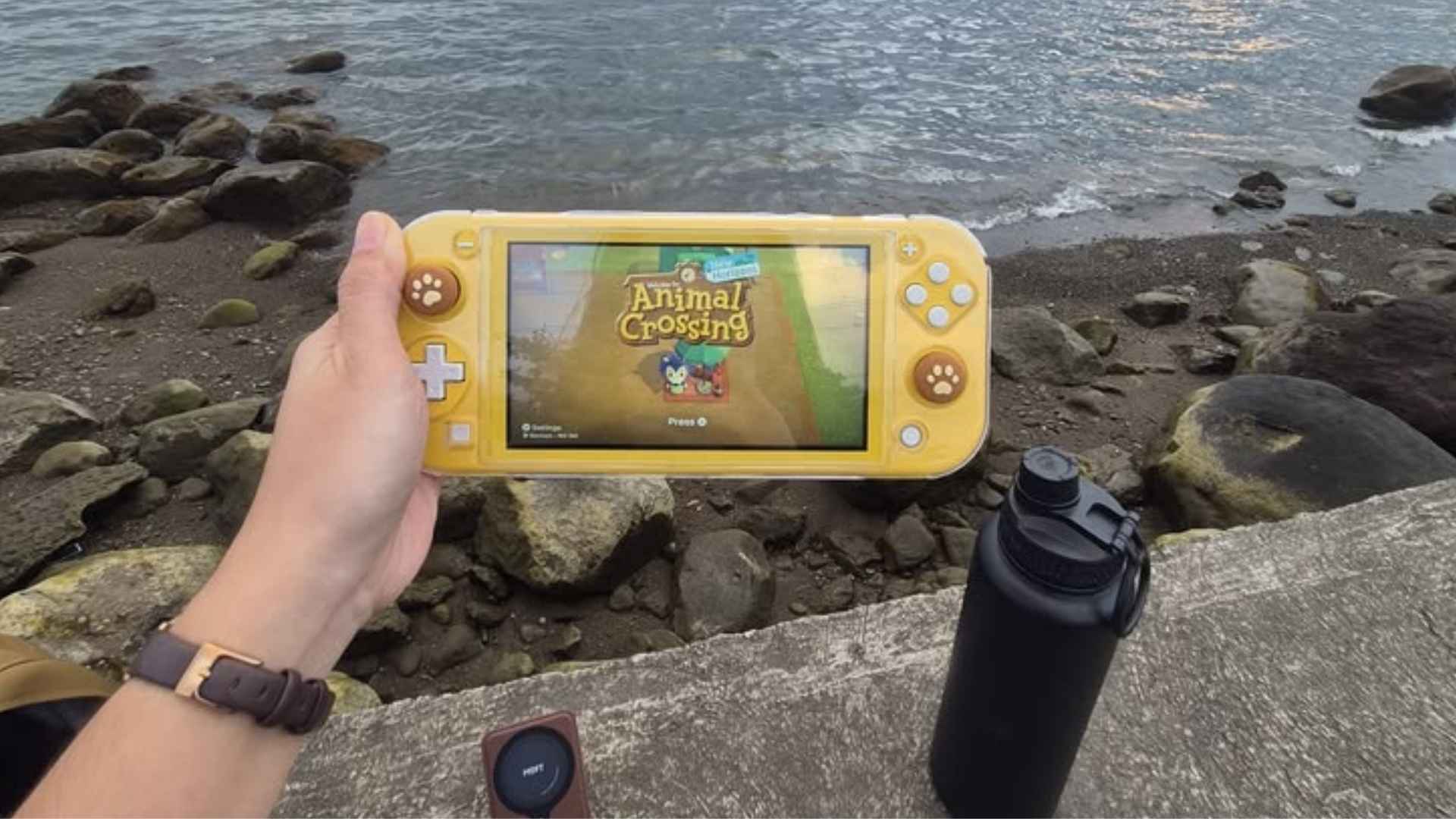
Long-term digital adventures often face the challenge of maintaining player engagement over months or even years of continuous exploration. While structured progression systems provide a reliable framework, it is the integration of unpredictable incentives that prevents the journey from becoming routine. By scattering variable loot drops and surprise encounters across expansive landscapes, developers can transform standard campaigns into unforgettable journeys of discovery.
The Psychology of Exploration in Vast Worlds
Human curiosity thrives on the unknown, especially when navigating massive virtual environments or extended gaming campaigns. When players realize that every hidden corner or challenging dungeon has a chance to yield rare treasures, they are naturally driven to explore further. This excitement of discovery triggers a strong emotional response that deeply reinforces long-term dedication.
Fixed milestones can eventually lose their charm if the final outcome becomes entirely predictable. By introducing unexpected bonuses alongside traditional quest completions, game designers can create a more dynamic and satisfying gameplay loop. This clever combination keeps the community fully invested in uncovering everything the virtual world has to offer.
Striking the Perfect Balance in Progression Design
Implementing randomness in long-term adventures requires a sophisticated understanding of game balance to avoid alienating players. If the probability of finding a valuable item is set too low, participants may experience severe fatigue and abandon the journey. Conversely, distributing high-tier items too generously can devalue the achievement and diminish the overall sense of progression.
To solve this challenge, modern creators utilize multi-tiered distribution systems that adapt to a participant's dedication level. This methodology ensures that casual explorers still experience moments of genuine joy, while hardcore players find meaningful long-term goals to pursue. Exploring diverse platforms such as m88 link 2 can also offer insights into how unpredictable mechanics operate across different interactive setups.
How Virtual Economies Drive Lasting Retention
In many modern live-service titles, chance-based incentives serve as the foundation for vibrant virtual marketplaces. When players obtain unique cosmetics or rare weapons through unpredictable drops, it establishes a distinct ecosystem of trading and community interaction. This player-driven economy naturally extends the lifespan of the game far beyond its initial release.
Furthermore, limited-time seasonal campaigns frequently use randomized systems to re-engage veteran players. These special occasions introduce distinct reward pools that give standard maps a refreshing sense of urgency and excitement. As a result, the community remains active and eager to see what surprises future updates might bring.
The Future of Dynamic Reward Mechanisms
As advanced data analytics and machine learning tools become more prevalent, the way platforms handle player incentives is shifting rapidly. The next generation of interactive design will likely feature adaptive systems that tailor surprise outcomes to individual playstyles. This personalized approach will make every long-term adventure feel completely unique to the participant.
Ultimately, the marriage of structured narrative progression and chance-based mechanics will remain central to digital entertainment. By focusing on transparent probabilities and fair design choices, studios can cultivate thriving, loyal communities. The ongoing evolution of these mechanics guarantees that the thrill of the unexpected will continue to enrich virtual journeys for years to come.